
Erratic Introversion
To experience the world is to write it better

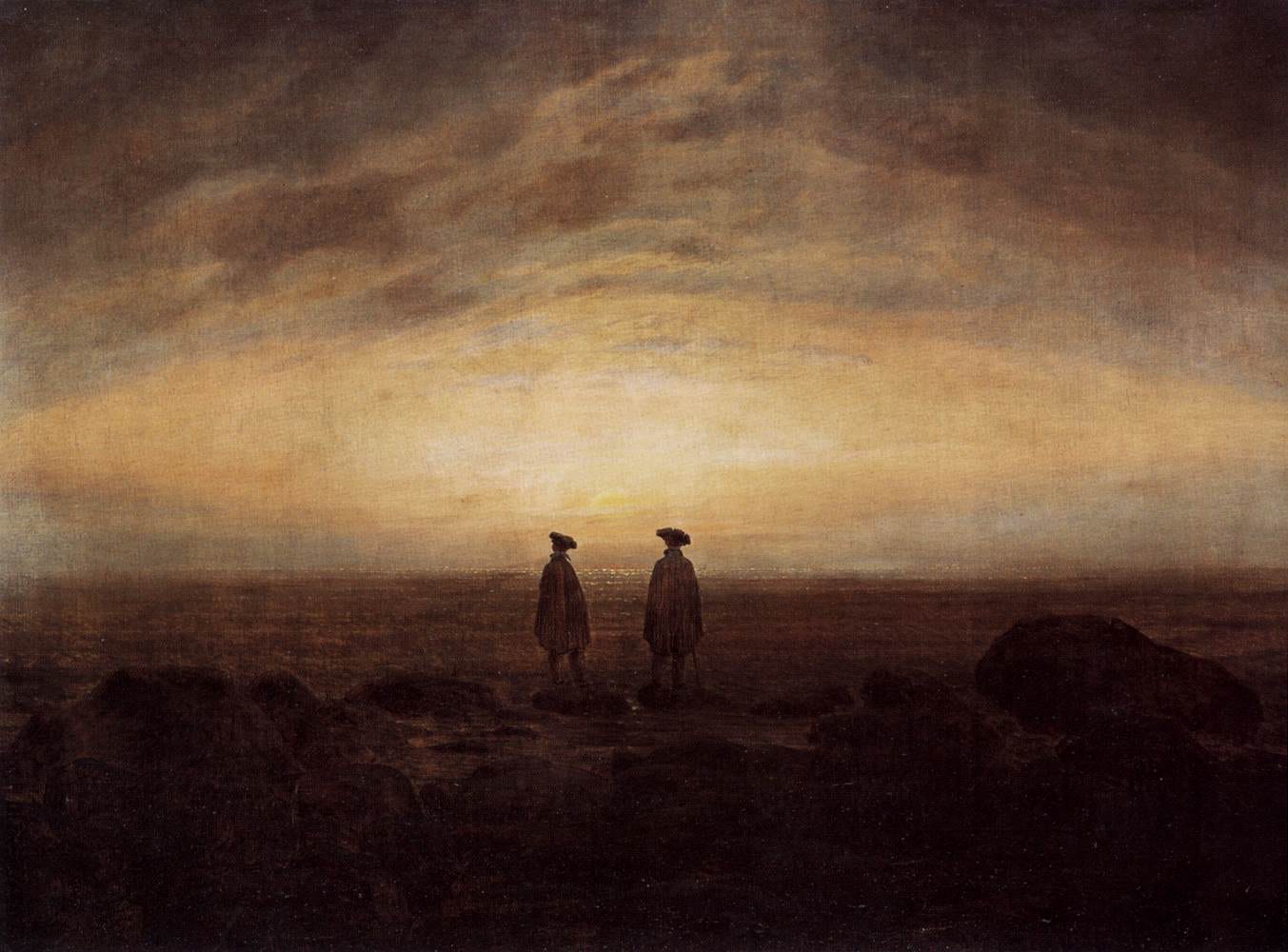
I’ll let you in on a secret. This fiction and Substack writer is an introvert. Incredible, I know. It’s not as though most writers are. But, despite his introversion, this writer has been out and about in London every day for the past couple of weeks.
Sometimes it’s been tough. At points, whether at work or with my loved ones, I’ve fantasised about sitting at home with a book or my notebook in blissful solitude. But day after day, out of necessity or desire, I kept heading to one of London’s boroughs for a new adventure. At points I wonder whether I’ve been forcing myself to be more extroverted, running scared, ironically, from solitude. But I’ve come to a different conclusion: I’m just an erratic introvert.
Erratic introversion
So what is an erratic introvert? Let’s start with the dictionary definitions of introversion and extraversion:
Introversion: the tendency to be focused predominantly on internal thoughts and feelings rather than on external things or social interaction
Extroversion: the tendency to be focused predominantly on external things or social interaction rather than on internal thoughts and feelings1
An erratic introvert, then, is an inconsistent introvert. They cross into extrovert territory frequently – easily or not, it doesn’t matter. They might be content to mostly focus on their thoughts and feelings, sure, but they also push themselves to encounter new external things and people in the way extroverts usually do.
Erratic introversion is a good way to sum up my habits right now. I’m outgoing but reserved. Love staying at home but also heading out. To an extent, it’s natural for me to walk this tightrope. I have to work, and I want to be amongst my loved ones. But it’s very easy for me, if I have the choice, to remain at home, content to isolate and bury myself in books, music and writing. So I often have to actively prioritise focusing on external things or social interaction over solitude and reflecting on my internal thoughts and feelings. Otherwise I’d become a real hermit.
Don’t get me wrong, my predilection for solitude and focusing on my thoughts and feelings doesn’t go away when I enter extrovert territory. Like many introverts, I tend to process new experiences and interactions over the longer term. I tend to wonder what their significance is to me or the wider world or where they might lead. I rarely take them as things that merely happen in the moment. Ironically, though, it’s only by acting the extrovert and pushing myself to have these new experiences and interactions that I can think in this introverted manner.
Erratic introverts, better writers?
The fact I push myself in this way tells me that I genuinely want to interact with different sorts of people, to encounter new and unfamiliar things. This is only natural, in a way. The more you know from first-hand experience, the more you can translate that knowledge into believable characters and settings. What writer wouldn’t want that?
It’s a fact you’ll often notice in great works of literature. Amidst careful renditions of characters’ thought processes you get vivid settings in which these characters, both primary and secondary, appear in a myriad of convincing ways.
Take Hemingway’s The Sun Also Rises, a great example of what erratic introversion can achieve. Through Jake Barnes’ blunt narration we experience the disillusionment of the post-war generation and its attempts to come to terms with a new, more morally ambiguous, reality represented by Jake’s promiscuous love interest, Lady Brett Ashley. Hemingway treats internal thoughts and sensations sensitively and thereby carries the reader along with them.

But they would not have been so effective had Hemingway not so expertly captured the external things and interactions that influence the characters’ priorities and diverse ways of thinking. On the surface, Hemingway led an extrovert’s life, and it was, in part, by encountering and understanding people and situations first hand that he could weave all these human complexities and the vivid scenarios accompanying them into a compelling narrative. But could he have done it were he not also a sensitive man preoccupied – and tormented – by his own thoughts? We’ll never know for sure, but I have my doubts.
What the introvert-extrovert dichotomy and the example of Hemingway tell us is that introverts automatically possess important qualities of a writer. Two name just a couple, they are prone to reflect on their thoughts and feelings, as well as step back and understand situations and other people through careful listening. But they need some content to which they can apply these qualities, and that’s where erratic introversion comes into play.
As much as it makes us cringe, meeting new people and throwing ourselves into new sensations makes us better understand how real people (and that includes us) act in real situations. We gain more access to real thoughts, actions and environments – and that’s a good thing. The more we understand these things in the flesh, the better we can capture them in our writing. We can let our readers understand more deeply our characters’ thoughts, sympathise with or condemn their actions and breathe in the environments in which they operate. We know this well from reading other erratically introverted writers like Hemingway. And I get it: as introverts, we’d much rather prefer to understand these things through books rather than the outside world. But every writer’s experience of life is unique, and it’ll inevitably feed into their work.
So try being an erratic introvert. Have more experiences that are unique to you, good or bad, then write about them. Writing, as we all know, isn’t supposed to be easy.
Till next week, all the best.
Benjamin
The Oxford Dictionary of English, 3rd ed., s.v. ‘Introvert’ and ‘Extrovert’.